
Step 4 : Beaudinard - Clamensane (Reynier bridge)
Clamensane
Clamensane - Martin Champon
Bayons

4. Step 4 : Beaudinard - Clamensane (Reynier bridge)
Embed this item to access it offline
This first section of the route runs alongside reddish sandstone marl formations. The Croix de Beaudinard is a good spot for a brief, contemplative stop, with its telescope and panoramic view of the Monges massif. The trail leads to Esparron-la-Batîe. Nestled at the foot of the Monges massif, this village is a region deeply rooted in pastoral traditions. Thousands of sheep spend their summers in the surrounding area, and livestock guard dogs are often present here. Hikers should remain vigilant if they encounter them (see recommended safety precautions).
After the village, continue through a forested setting on a mostly flat path. The ochre-colored rocks of the Pas de la Patègue remind us that this hike lies at the heart of the UNESCO Haute Provence Geopark. On the Chemin de la Casse, which connects the Esparron valley to the Reynier valley via the Pas de la Patègue, the landscape is marly and offers a pleasant change of scenery. Of geological interest, this area features red molasse formations and unusual folds. 
In the forest, the trail then continues through pretty rocks with distinctive geological formations and reaches the Reynier Bridge.
To reach Clamensane, continue along the departmental road. Although it’s pleasant and not very busy, this 3.5-kilometer stretch of narrow road leading to the Pont de Reynier can be avoided by requesting a shuttle from the village’s lodging providers.
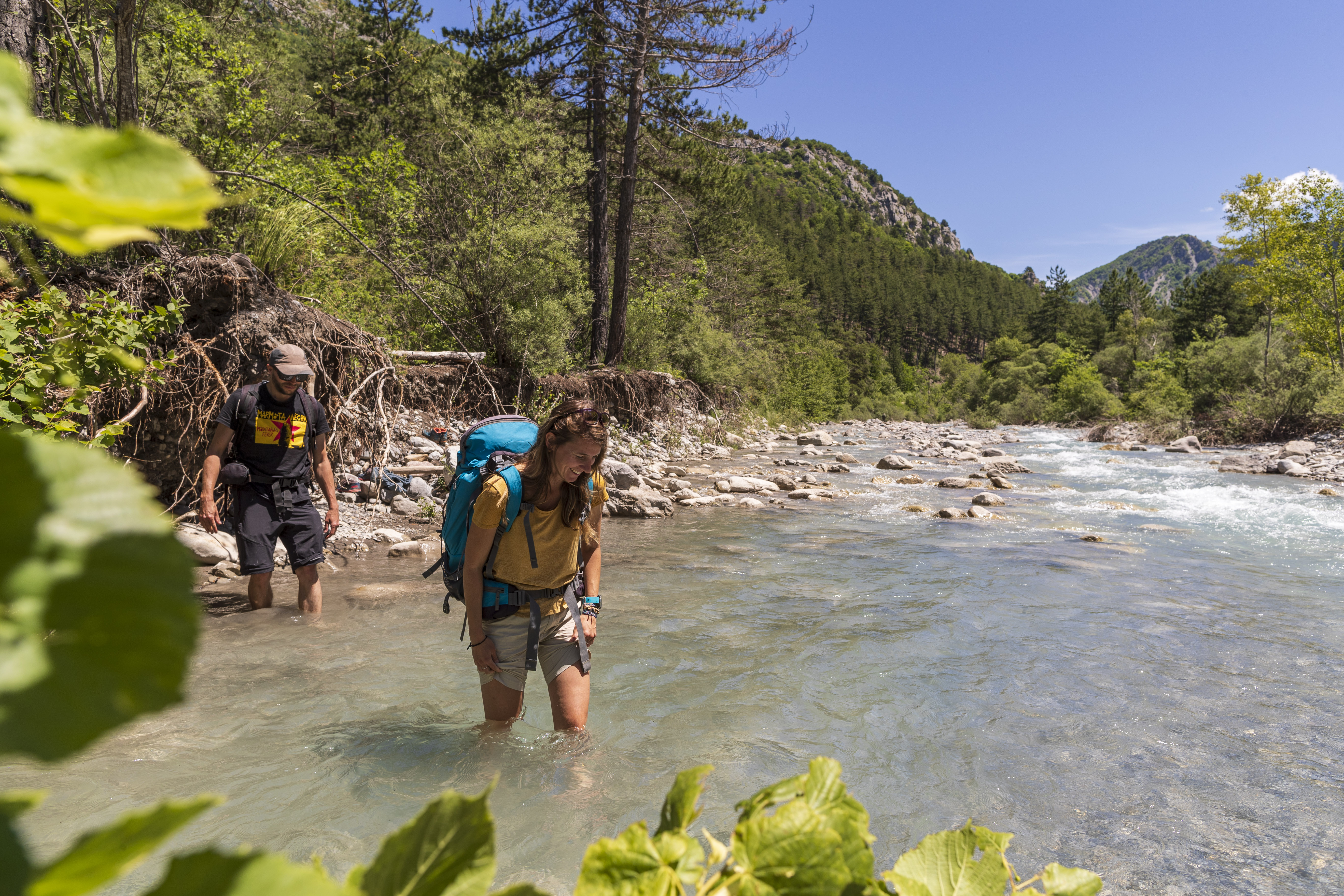
Along the way, a charming, shaded picnic area by the water offers a refreshing stop. You can even dip your feet in the water there!

Forecast


Altimetric profile


1 point of interest
  • Office de Tourisme La Motte du Caire

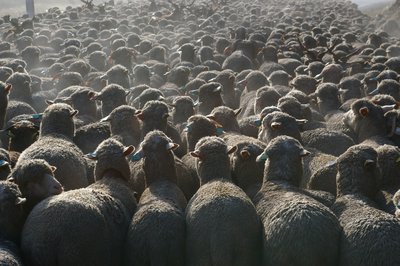
    The transhumance

    In the past, from Provence to the Southern Alps, vast herds would make their way to the Alps as summer approached. These transhumances (from the Greek “trans,” meaning “across,” and “humus,” meaning “soil”) took place along mountain trails or paths reserved primarily for the movement of herds. These routes played a vital role in attracting people, fostering strong local economies, as well as shaping culture, architecture, biological diversity, and the environmental value of the region. On this trail, you find yourself in the heart of one of these transhumance routes (after descending through the beech forest to the pastures of Clapouse). Today, most livestock is transported by livestock trucks. Nevertheless, come fall, the bleating of sheep and the ringing of cowbells still echo across these highlands of Provence.

Report a problem or an error

If you have found an error on this page or if you have noticed any problems during your hike, please report them to us here: