
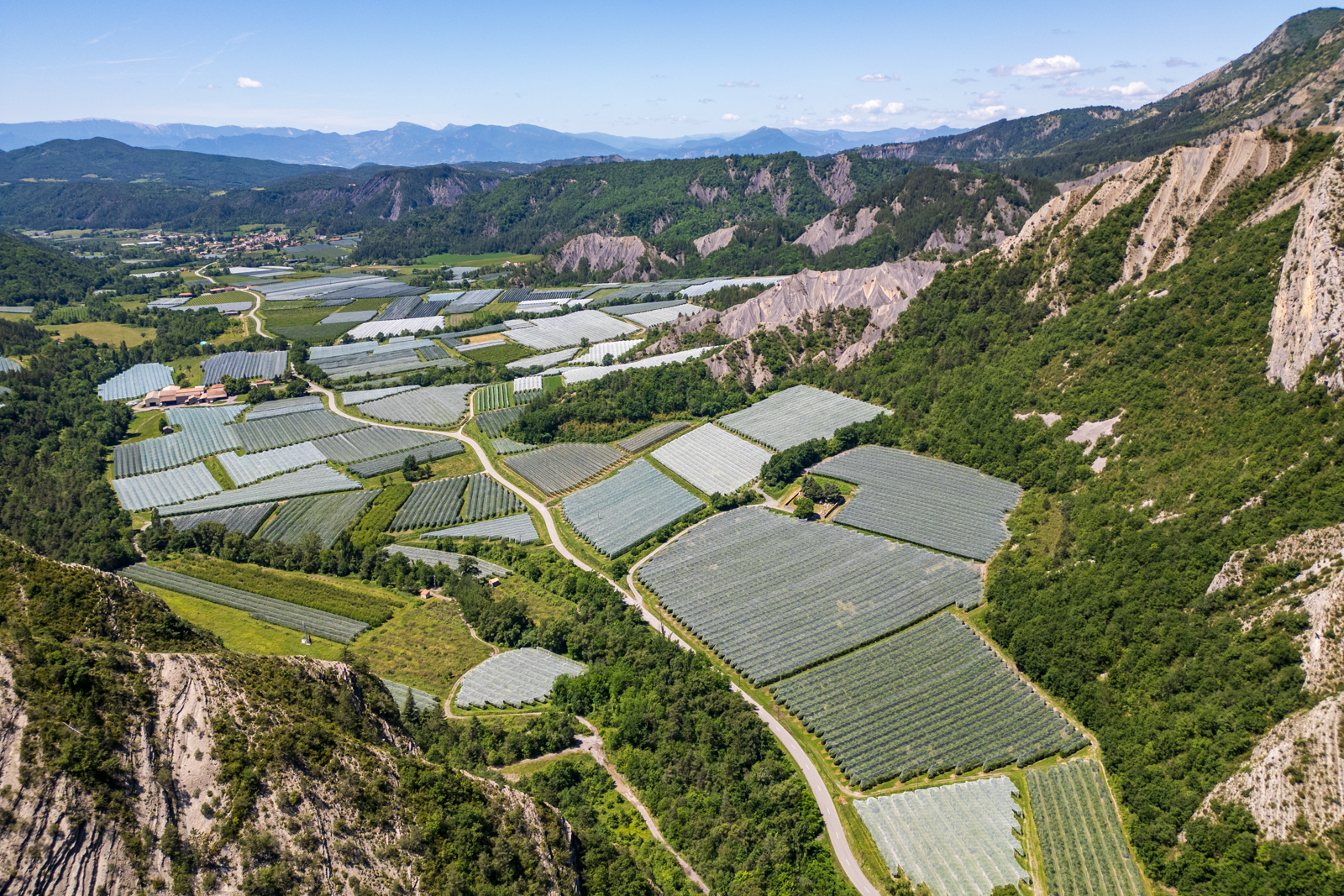
Tour de la Blachère
 Medium
Description
- In the village of La Motte-du-Caire (700 m), take the D951 toward Turriers. Shortly after passing the last houses, turn right at the “Rivaine” intersection and you’ll soon reach another intersection.
- At the “St Etienne” intersection (710 m), leave the GR®653D and continue on the PR. Climb up a trail overlooking the Grand Vallon valley. After a 1.5-hour climb, you’ll reach the Grand Abian farm.
- At the Grand Abian farm (1,130 m), turn right at the ruins and continue along a dirt road. Follow it due south for 1 km until you reach a junction at a right-hand bend.
- Leave the track to follow a trail to the left through the woods. At a small pass, descend to the right. After numerous switchbacks, reach a path in the Gypière valley. Follow it to the left until you reach the D1.
- At “La Gypière” (655 m), turn right and follow the road for 1 km.
- At the Bas-Plan intersection, turn right inside the hamlet onto a trail that climbs up the valley, passes through “Le Plan,” and leads to La Motte-du-Caire.
- Departure : Town hall square, La-Motte-du-Caire
- Arrival : Town hall square, La-Motte-du-Caire
- Towns crossed : Motte-du-Caire and Clamensane
Forecast
Altimetric profile
Information desks
1 place de la République, 04200 Sisteron
Transport
Access and parking
Parking :
2 points of interest
Office de Tourisme La Motte du Caire  Flora
FloraThe apple
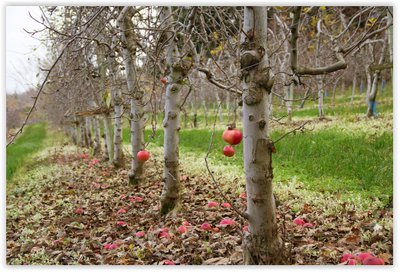
The emergence of the Rosaceae family 80 million years ago marked the birth of this large family to which the apple belongs. The apple as we know it today first appeared in the early Quaternary period in the region of Turkey, approximately 2 million years ago. Originally, apples were tiny and poisonous. During the Neolithic period, the shift to a sedentary lifestyle, along with access to agriculture and animal husbandry, facilitated their development and subsequent spread to Egypt, Greece, and Italy. In the 7th century BC, the founding of Marseille by the Greeks was undoubtedly one of the starting points for the introduction of the apple tree in southern France. The Romans brought with them the thirty or so varieties they knew. From the 10th to the 14th century, monasteries developed the importation and grafting of apples. Today, several thousand apple varieties exist; here, the Golden Delicious is the most common. As for its medicinal benefits, here are a few that will certainly encourage you to eat apples more often (tooth decay, constipation and diarrhea, fatigue, insomnia, obesity and cellulite, burns…).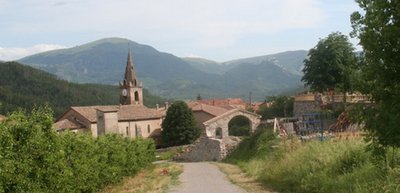
La Motte du Caire - Office de Tourisme La Motte du Caire FloraLa Motte du Caire sequoias
By the end of the 19th century, erosion had reached catastrophic levels in the Southern Alps. The cause was centuries of rampant deforestation, which left bare soil vulnerable to runoff.
Several laws were successively enacted, giving the government the authority to intervene—sometimes against the will of residents who were unaware of what was at stake.
Forest houses were built to house Water and Forestry personnel and to prepare for future plantings using the surrounding nurseries.
Numerous experiments were conducted to establish the Austrian black pine as the preferred species for reforestation.
But foresters liked to shade their homes with majestic and decorative exotic species, such as the redwoods and cedars seen here.
Just north of La Motte du Caire, the Saignon basin is a good example of ongoing research into the evolution of these man-made forests. There is also a trail with educational resources (informational signs).
In the heart of the UNESCO Geoparc of Haute-Provence, some sites mention reforestation and erosion: Brusquet forest parc, Demontzey parc (located at Labouret pass) and Draix experimental basins.
More information


Report a problem or an error
If you have found an error on this page or if you have noticed any problems during your hike, please report them to us here: