
Les Croix par la tour
Melve Medium
Les Croix par la tour
Medium4h30
9,9km
+727m
-727m
Loop
Embed this item to access it offline
Description
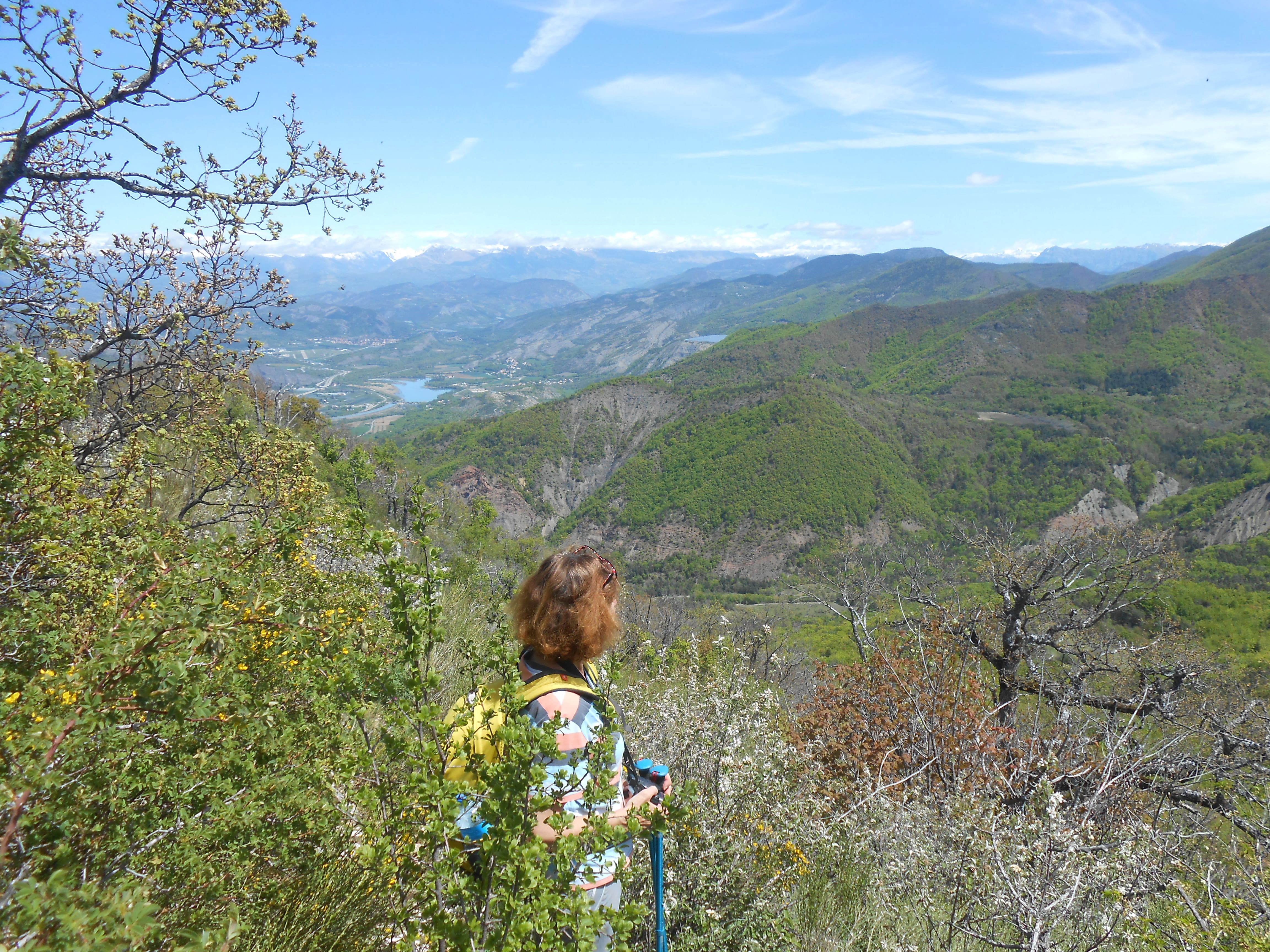
- From Melve (839 m), take the uphill street that runs behind the church and alongside the cemetery. After the last house, the paved road turns into a dirt track as it follows a ridge. Leave the track to the left just past a water intake to follow a trail. Once on the plateau, follow the southern edge to the left, toward the Tower and its sighting tube.
- Continue north across the pastures to reach a ridge. A dizzying section through the marl requires some caution. The rest of the route follows the southern slope of the mountain, crossing three marl sections that can be tricky.
- On the ridge, take the trail to the left up to the summit.
- At the place called Les Croix (1,412 m), continue along the trail to the west. It follows the ridge all the way.
- Below Tête de Boursier (1,235 m), a short round trip (10 min) offers a beautiful view. Alternatively, take the descending trail, starting through an oak grove, then through steep pastures. A slightly steeper section through marl, followed by more shaded areas, will lead to the paved road (D 104).
- At Chemin de la Plane (855 m), follow the paved road toward Melve.
- At the hamlet of Le Serre, take the trail (a sunken path at the start) that climbs to the left. After a short walk, you’ll reach the Plateau de la Tour de Melve, leading to Point 2. Take the same path back down in the opposite direction.
- Departure : Church, Melve
- Arrival : Church, Melve
- Towns crossed : Melve
Forecast
Altimetric profile
Recommandations
WARNING: On this route, you may encounter livestock guard dogs protecting herds from wolf attacks.
It is strongly discouraged to bring a pet dog, even if it is on a leash.
If you encounter a herd, stay calm: stop, let the guard dogs identify you, then give the herd a wide berth without making any sudden movements.
→ To learn the proper precautions to take when encountering guard dogs, visit: https://rando.sisteron-alpesprovencales.fr/information/14-Les-patous-et-nous-!
It is strongly discouraged to bring a pet dog, even if it is on a leash.
If you encounter a herd, stay calm: stop, let the guard dogs identify you, then give the herd a wide berth without making any sudden movements.
→ To learn the proper precautions to take when encountering guard dogs, visit: https://rando.sisteron-alpesprovencales.fr/information/14-Les-patous-et-nous-!
- On the ridge, before beginning the descent, make a round trip to the head of Boursier
- Discover the sighting tubes. Look through these tubes and observe precisely what they reveal
- Caution: dizzying and tricky passages
Information desks
Transport
Let’s limit our trips and use public transportation and carpooling: https://zou.maregionsud.fr
Access and parking
From La-Motte-du-Caire (5 km), take the D 104 to Melve.
Parking :
Parking lot in Melve
1 point of interest
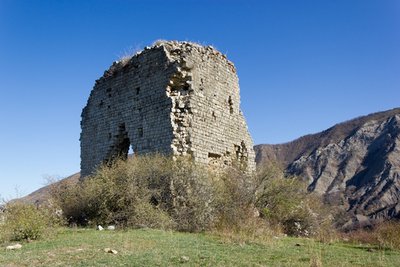
Au pied de la tour de Melve - Office de Tourisme La Motte du Caire  Flora
FloraAubépine
At the foot of the Melve Tower, an impassable barrier—all too often replaced in rural areas by barbed wire—stands before you. Among the various shrubs and small trees that make up this barrier, the hawthorn plays a prominent role. Derived from the Latin “alba” (white) and “spina” (thorn), it has white bark. A natural shelter or refuge for many birds and insects, the hawthorn has also been used by humans for medicinal and culinary purposes: its flowers, harvested in small bunches along with their young leaves, are used to make tea. It has a calming effect and appears to be effective against anxiety and insomnia. Its young leaves can be eaten raw in a salad, garnished with a few of its flowers. Its fruits, the hawthorns, rich in sugars, pectin, and vitamin C, can be mixed with flour to make pancakes, bread, and more. To do this, crush the hawthorns with your fingers into the flour to mix their pulp with it. Then sift to remove the pits, and use this colorful, fragrant flour just like any other flour. However, its pits contain cyanide and are therefore potentially toxic.
More information


Report a problem or an error
If you have found an error on this page or if you have noticed any problems during your hike, please report them to us here: